The Sato Pansies, Elegance Series
The term “well-bred” in the gardening world does not call to mind how one holds a teacup or moves a spoon through the broth in a soup bowl. These measures of etiquette aren’t on the minds of most gardeners. Instead, being well-bred indicates a focus on performance and form—perfected, superior plant performance, and form that is unexpected and typically beautiful.
The Sato Pansies are well-bred flowering plants. Renowned plant hybridizer Isao Sato spent what reports say was well over a decade (and some note as “decades”, plural) breeding unexpected, “ruffled velvet” beauties that do best in the cooler temperatures, planted in fall or spring.
The Sato Pansies bloom in colors that are not out-of-the-ordinary for pansies… rich wines, deepest purples, and midnight blues, or in a different collection, pastels and creamy, buttery colors. We’ve seen these colors right along, if we are pansy growers; we love these colors. The petals are soft and velvety, as is also expected of pansies. But oh… the presence of layer upon layer of ruffles. Now this is what is unexpected. The Sato Pansies have layered velvety ruffles, made even more stunning by the way colors situate themselves near those ruffles. The overall look is elegant… stunning.
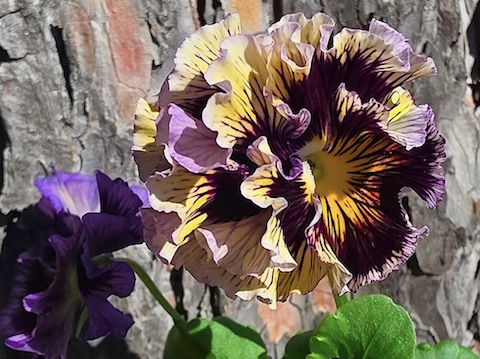
We gardeners can appreciate breeding for improved function/performance… for example, the tomato plant that has been bred to grow plump and sweet fruit that will not to split on the vine as it matures. And we are glad to know that the Sato Pansies perform well and aren’t finicky or prone to disease. But changes to form are what make the Sato Pansies special, and these changes are the stuff of garden dreaming. Yes, we will surely continue to love traditional pansies… no “improvement” is needed to these plants, really. But the result of Mr. Sato’s hybridizing is an updated and unexpected form—very attractive and fancy looking—for an “old-friend” of a flower.
Isao Sato’s Pansy Elegance Series includes some different collections that permit gardeners to focus on the tones they like best. Some collections sport names that are indicative of their generally dark and dramatic coloration. Other collections are pastel and buttery. And mixing pansies from these different collections takes things to the next level of elegance.
If you have taken care of traditional pansies, which most of us gardeners have, then you can easily care for Sato Pansies. They do like to be fed, and they want to avoid both wet feet and excessive heat. With consistent moisture but never a soggy root, these plants will do well, establishing good root systems and producing bloom upon bloom with regular deadheading. The deadheading tidies the appearance of the plants and also signals to them that they should continue to put energy into bloom-making rather than seed-production.
Well-bred. If we think of this descriptor in broad terms, well, yes, the Sato Pansies are elegant and classy at all times. And in gardening terms: Their form and function are noteworthy… worthy of the time a talented breeder has spent on them.
Comments
{{ errors.first("comment") }}