New Trees and Shrubs
|
|
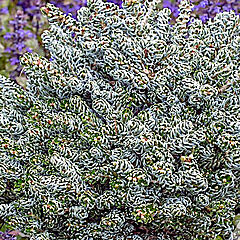
Abies koreana, Ice Breaker, Korean Fir What started as a mutation is now sought after for its appeal in the garden. A colorful dwarf, this Korean fir has two-toned needles that recurve up and around their stems exposing a contrasting waxy white underside of the otherwise green needle. A slow growing mounded form when young, this fir could eventually mature into a small, slightly pyramidal tree. Won Conifer of the Year in 2014 from the American Conifer Society. Grows 1-6 inches/year. |
|
|
Acer rubrum, Armstrong Gold, Maple Its narrow shape and dense foliage make this Red Maple cultivar very impressive. The columnar shape makes it excellent for street plantings. Glows golden, then orange in the fall. |
|
|
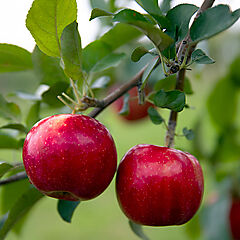
Apple, Kudos, Apple Crisp and juicy texture and a sweet, balanced flavor with a hint of tropical overtones. A University of Minnesota introduction created as a cross between Honeycrisp and Zestar, this selection has some tolerance to scab with a similar or slightly later September harvest than Honeycrisp. Stores up to five months in common storage. Needs a pollinator. |
|
|
Aronia arbutifolia, Berry Scape Red, Chokeberry Native from Ontario down to Texas, Berry Scape Red Aronia is drought, heat, and salt tolerant and adapts to nearly any soil. In spring, an abundance of white flowers cover this shrub before changing to bead-like fruit that will transition from yellow to orange to brilliant red. Red foliage accompanies the fruit for unforgettable fall interest. As a smaller Aronia variety, this shrub will fit into many gardens and landscapes. |
|
|
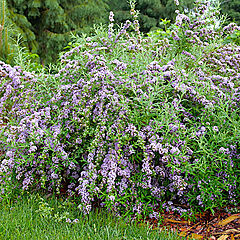
Buddleia, Mop Top, Butterfly Bush Mop Top butterfly bush has a unique fountain habit with long, weeping branches covered in clusters of pale purple flowers. Unlike other butterfly bushes, this one blooms in the spring! These fragrant blooms attract hungry pollinators and create a whimsical, flowing display in gardens just waking up from a winter slumber. |
|
|
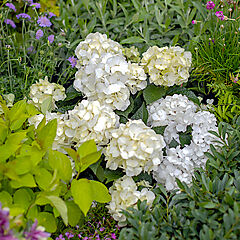
Hydrangea mac., DreamCloud, Hydrangea Part of the Endless Summer line, pure white flowers bloom and rebloom on strong stems late into the season. Great as a focal point or in decorative containers because of its upright and mounded form. Prefers morning sun and afternoon shade. Excellent disease resistance to mildew and Cercospora. |
|
|
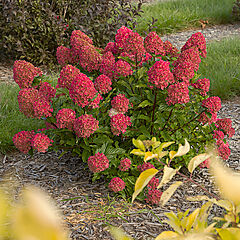
Hydrangea pan., Spring Sizzle, Hydrangea One of the earliest blooming panicle hydrangeas, white flowers transform to deep red starting in late spring or early summer. Strong stems hold flowers upright making this hydrangea perfect for hedges and foundation plantings. |
|
|
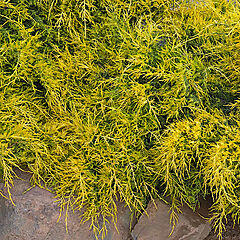
Juniperus chinensis, Sea of Gold, Juniper Low growing, lacy, golden foliage that holds its color through the season and deepens in the winter make this a great plant for standout groundcover. |
|
|
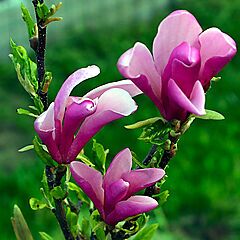
Magnolia x 'Susan', Susan, Magnolia A compact, mounded hybrid with a low canopy typically about 2' from the ground, this Magnolia will stun with its spectacular fragrant, dark-magenta cup-shaped flowers. Selected for its improved hardiness, it blooms later in spring to avoid frost damage. A wonderful accent in smaller home landscapes, it requires evenly moist, well-drained soil, and will die in standing water. |
|
|
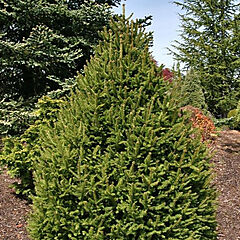
Picea abies, Sherwood Compact, Norway Spruce This compact Norway Spruce is great for small spaces that deserve a big impact with its narrow pyramidal form. Hardy and adaptable to most soil types, it does best in moist, well-drained soils. Slow growing, 6-12 inches/year. |
|
|
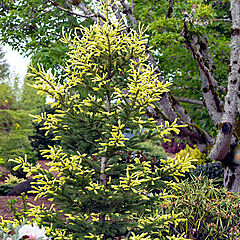
Picea glauca, Mac's Gold, White Spruce Small grayish green needles cover branches in an open growing form but in spring this tree really stands out with bright yellow new foliage and small red cones. The new foliage will fade to green as the season progresses. Grows 12-15 inches/year. |
|
|
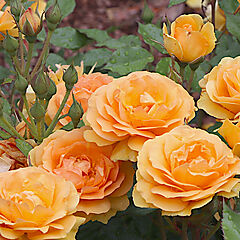
Proven Winner, Reminiscent Ginger, Rose Varying shades of orange, yellow, and cream flowers that bloom regularly without deadheading. The full, lush blooms are great for cut flowers with entrancing fragrance. |
|
|
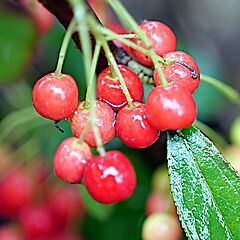
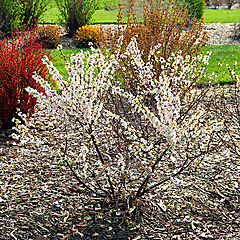
Prunus x, Easy as Pie, Bush Cherry Easy As Pie bush cherry offers both ornamental beauty and delicious fruit. Its showy white spring flowers are followed by showy tart berries. Perfect for baking, preserves, or eating fresh. Its dwarf size and low-maintenance nature make it easy to grow in any garden. Low maintenance and a dramatic berry show. |
|
|
Quercus 'Crimschmidt', Crimson Spire, Oak An English Oak and White Oak hybrid, this stately oak is faster growing than its counterparts. Adaptable to a wide range of growing conditions, its columnar, upright, and tight form make it a great option for narrow spaces as a screen or street tree. Dark green foliage turns a vibrant brick red in the fall. Does produce acorns but requires little pruning maintenance. |
|
|
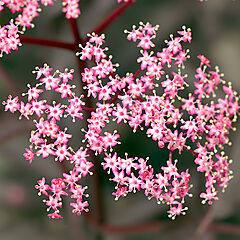
Sambucus nigra, Pink Pony, Elderberry When the word "bold" is mentioned in the plant world, usually it refers to flower or foliage color. In Pink Pony elderberry's case, it's both. This fabulous compact shrub features foliage the color of black licorice, dramatic and steadfast. Its flowers are the sweetest shade of pale purple as contrast. When planted near a genetically different Sambucus nigra, those flowers will turn into dark burgundy-black berries. Each feature is gorgeous in its own right. Its habit is more lush than other varieties of elderberry, with the leaves growing closer together and the branches having tighter spacing. It looks great in the landscape as well as in a container. While it's still a large plant, it's much smaller than the giants of the past. When you find yourself looking for something bold, consider Pink Pony elderberry. |
|
|
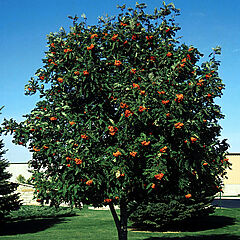
Sorbus aucuparia, Cardinal Royal, Mountain Ash Branches grow upright, covered in dark green leaves with a gray-silvery tones on the undersides. Clusters of white flowers adorn the tree in spring followed by bright red berries in late summer/early fall and rusty leaf color in the fall. Berries hold on through the winter as a much needed food source for the birds. Needs well-drained soils and prefers acidic soils. |
|
|
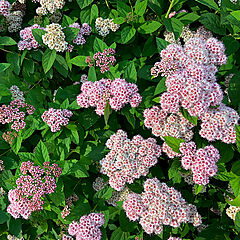
Spiraea fritschiana, Pink-a-licious, Spirea Purple-pink buds open to pink flowers in flat-top clusters in spring. While best to prune in late winter, it can be deadheaded and shaped after its bloom to encourage, but not guarantee, a second bloom. Dark green foliage ignites in the fall with outstanding color combinations ranging from apricot-yellow and pink to chartreuse and orange. Tolerant of most any well-drained soil makes it a great option for mass plantings. |
|
|
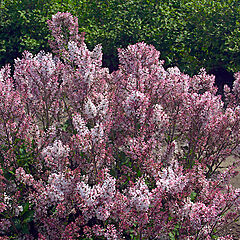
Syringa patula, Dream Cloud, Lilac Large pinkish blooms absolutely cover this plant in early summer to the point where the leaves are barely visible! The blooms can get as large as 12 inches long and 9 inches wide. Its dark green leaves change to purple once the cooler nights start in the fall. More resistant to diseases than other lilacs on the market. Prune immediately after flowering each year. |
|
|
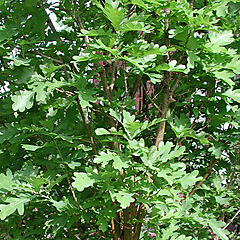
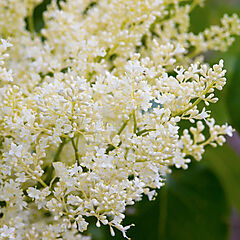
Syringa reticulata, Snowdance, Japanese Tree Lilac A pest and disease free tree, this Japanese Tree Lilac was selected for its remarkably heavy blooms as it also starts flowering at an earlier age than its counterparts. Large, fragrant, creamy white flowers fill the branches in June flanked by dark green foliage that is slightly larger and darker than other varieties. Regular pruning after blooming is needed. |
|
|
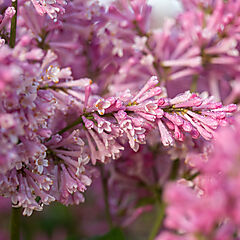
Syringa x prestoniae, Pinktini, Lilac A more compact, neat, non-suckering form of 'Miss Canada' perfect for those small spaces that need color. Rich pink flowers grace this plant in the spring and its leaves turn a buttery yellow in the fall. Hardy and relatively low maintenance but should be pruned immediately after flowering annually. |
|
|
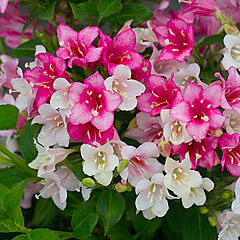
Weigela florida, Czechmark Trilogy, Weigela A standout weigela with a three color combo! Flowers start white then transition to pink and eventually red making an eye popping combo with great dimension for a garden space. Prune shortly after blooms as it blooms on old wood, and rejuvenate prune every 3-5 years to encourage vigorous new growth. Deer and rabbit resistance. |
|
|
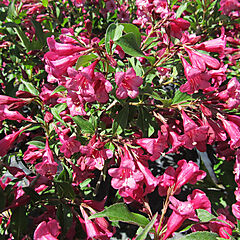
Weigela florida, Rumba, Weigela A long flowering variety with rosy cabernet colored trumpet shaped flowers with yellow throats held along branches with purple-tinted, green leaves. Its compact, dense form is great for natural hedges or as an accent in your landscaping. It is sure to attract butterflies and hummingbirds from the time it blooms in late spring/early summer well into late summer/early fall with no deadheading needed. Prune after its first bloom if the shape of the plant requires it. |